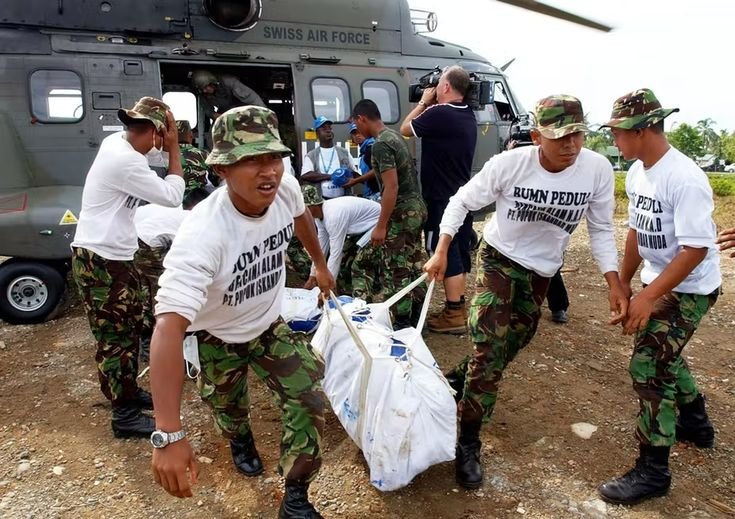

The Growing Need for Global Humanitarian Support
Humanitarian crises continue to affect millions of people worldwide due to conflicts, natural disasters, economic instability, climate change, and health emergencies. From earthquakes and floods to armed conflicts and displacement, vulnerable populations face severe challenges that threaten their safety, health, and livelihoods. Worldwide humanitarian aid plays a crucial role in saving lives, reducing suffering, and helping communities recover from devastating circumstances.
In recent decades, the scale and complexity of global crises have increased significantly. Rapid urbanization, environmental degradation, and interconnected economies mean that emergencies often have cross-border consequences. Humanitarian response efforts must therefore be coordinated, well-funded, and adaptable to rapidly changing conditions. Governments, international organizations, non-governmental organizations, and local communities work together to deliver food, water, medical care, shelter, and protection services to those in need.
Types of Humanitarian Crises
Natural Disasters
Natural disasters such as earthquakes, hurricanes, floods, droughts, and wildfires frequently cause widespread destruction. These events can displace entire communities, damage infrastructure, and disrupt access to essential services. Climate change has intensified many weather-related disasters, increasing the urgency of effective response mechanisms. Emergency relief teams focus on search and rescue operations, temporary shelter, clean water distribution, and medical assistance immediately after disasters strike.
Armed Conflicts and Displacement
Armed conflicts remain a major driver of humanitarian crises. Violence often forces civilians to flee their homes, creating refugee and internally displaced populations. Displaced individuals face challenges such as food insecurity, lack of healthcare, and limited access to education. Humanitarian organizations provide protection services, emergency food aid, and psychosocial support to affected populations while advocating for the protection of civilian rights.
Public Health Emergencies
Global health crises, including disease outbreaks and pandemics, place enormous strain on healthcare systems. Rapid response is essential to contain the spread of infectious diseases, provide vaccinations, and ensure the availability of medical supplies. International coordination is critical to share information, distribute resources, and support vulnerable countries with limited healthcare infrastructure.
Food Insecurity and Famine
Food crises can result from conflict, economic collapse, climate-related events, or supply chain disruptions. Severe food shortages lead to malnutrition, especially among children and elderly populations. Humanitarian agencies implement food distribution programs, nutritional support initiatives, and agricultural recovery projects to address both immediate hunger and long-term resilience.
Key Actors in Humanitarian Aid
International Organizations
Large international institutions coordinate global humanitarian efforts and mobilize resources across borders. They provide leadership in crisis response planning, funding allocation, and logistical support. These organizations work with governments and local partners to ensure aid reaches affected communities efficiently and transparently.
Non-Governmental Organizations (NGOs)
NGOs play a vital role in delivering direct assistance. Many operate in remote or high-risk areas where access is limited. Their activities include building temporary shelters, distributing hygiene kits, operating mobile health clinics, and providing educational support in emergency settings. NGOs often rely on donations and volunteer networks to sustain their operations.
National Governments
Governments are responsible for leading response efforts within their territories. Disaster management agencies coordinate evacuation plans, emergency funding, and infrastructure restoration. International cooperation allows governments to request and receive assistance from other nations when domestic capacity is overwhelmed.
Local Communities and Volunteers
Community-based organizations and volunteers are often the first responders during crises. Their knowledge of local conditions improves the effectiveness of relief efforts. Empowering local communities strengthens resilience and ensures culturally appropriate assistance.
Emergency Response Phases
Preparedness and Risk Reduction
Preparedness involves planning and training before disasters occur. Early warning systems, evacuation drills, and emergency stockpiling reduce the impact of crises. Risk reduction strategies include strengthening infrastructure, improving building standards, and investing in climate adaptation measures.
Immediate Relief
The initial response phase focuses on saving lives and meeting urgent needs. Search and rescue operations, emergency medical treatment, and distribution of essential supplies are prioritized. Speed and coordination are critical to prevent further casualties.
Recovery and Reconstruction
After immediate dangers subside, attention shifts to rebuilding homes, restoring infrastructure, and reviving local economies. Long-term recovery programs may include housing reconstruction, livelihood training, and psychosocial support services. Sustainable rebuilding aims to reduce vulnerability to future crises.
Funding and Resource Challenges
Funding Gaps
Humanitarian operations depend heavily on financial contributions from governments, private donors, and international institutions. However, funding often falls short of required levels. Competing global priorities and economic downturns can reduce available resources, limiting the scale of assistance.
Logistical Barriers
Delivering aid to remote or conflict-affected areas presents logistical challenges. Damaged infrastructure, security risks, and limited transportation options can delay relief operations. Humanitarian agencies invest in supply chain management systems to improve efficiency and accountability.
Coordination Complexities
Multiple organizations operating simultaneously may create duplication or gaps in services. Effective coordination frameworks help streamline efforts and allocate resources strategically. Information sharing platforms enhance collaboration among stakeholders.
Technology in Humanitarian Response
Data and Early Warning Systems
Advanced data analytics and satellite monitoring improve disaster prediction and risk assessment. Early warning systems provide communities with critical time to prepare and evacuate. Mobile technology enables real-time communication between responders and affected populations.
Drones and Remote Sensing
Drones assist in assessing damage, delivering medical supplies, and mapping inaccessible areas. Remote sensing technology provides valuable information for planning relief operations and identifying vulnerable regions.
Digital Cash Transfers
Cash assistance programs delivered through digital platforms empower recipients to purchase essential goods locally. This approach supports local markets while giving beneficiaries flexibility in meeting their needs.
Protection of Vulnerable Groups
Women and Children
Women and children often face heightened risks during crises, including exploitation and limited access to healthcare. Protection programs focus on safe shelters, education continuity, and reproductive health services.
Elderly and Persons with Disabilities
Inclusive humanitarian response ensures that elderly individuals and persons with disabilities receive appropriate support. Accessibility considerations and targeted outreach programs address specific vulnerabilities.
Refugees and Internally Displaced Persons
Displaced populations require long-term support, including housing, education, employment opportunities, and legal protection. Durable solutions aim to facilitate voluntary return, local integration, or resettlement.
Climate Change and Humanitarian Crises
Increasing Frequency of Disasters
Climate change contributes to rising sea levels, extreme weather events, and prolonged droughts. These environmental shifts increase humanitarian needs globally. Adaptation strategies focus on building climate-resilient infrastructure and supporting sustainable livelihoods.
Climate-Induced Migration
Environmental degradation forces some communities to relocate. Managing climate-induced displacement requires international cooperation and long-term planning to protect affected populations.
Strengthening Global Cooperation
International Partnerships
Cross-border collaboration enhances the effectiveness of humanitarian action. Shared expertise, pooled funding mechanisms, and joint training programs strengthen response capabilities.
Accountability and Transparency
Ensuring responsible use of funds and maintaining public trust are essential for sustainable humanitarian efforts. Monitoring and evaluation frameworks assess impact and guide improvements in future operations.
Building Resilience for the Future
Community Empowerment
Empowering local communities through education, disaster preparedness training, and livelihood programs reduces vulnerability. Resilient communities recover more quickly and are better prepared for future emergencies.
Sustainable Development Integration
Integrating humanitarian action with long-term development goals bridges the gap between emergency relief and sustainable progress. Investments in healthcare, education, infrastructure, and climate adaptation contribute to lasting stability.
